
/
Florida Condo Law Has Changed: What Owners and Buyers Must Know Now
As of January 2026, new Florida condo laws mandate fully funded reserves and stricter inspections. Find out how these changes impact your HOA fees.

Christopher Nasseh, Esq.
Thursday, January 22, 2026
·
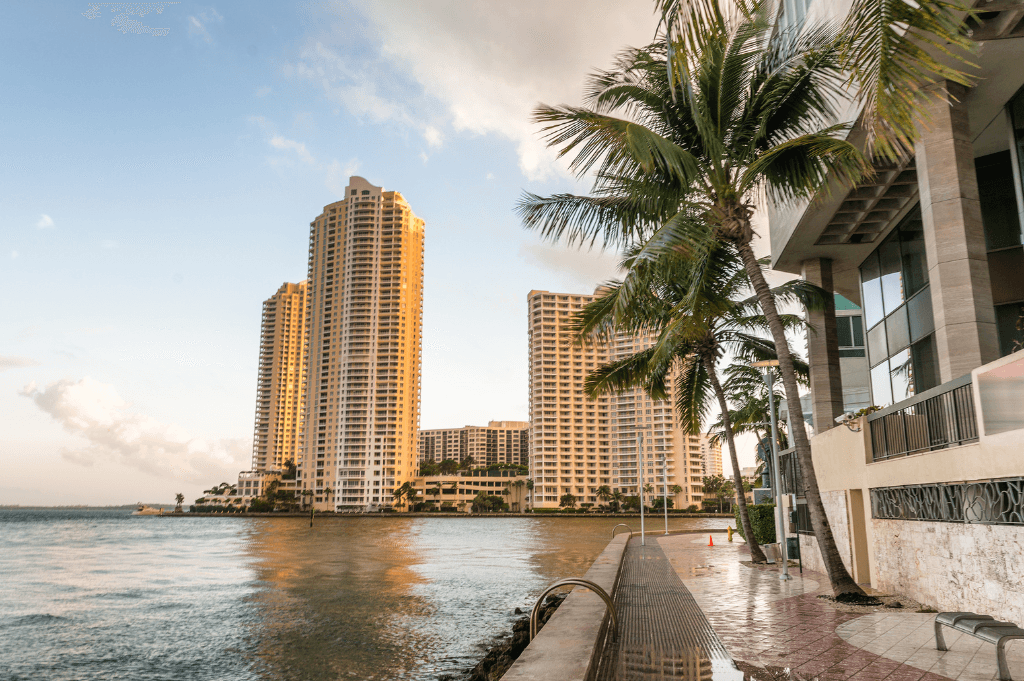
Florida condo ownership has entered a new legal and financial reality. Following sweeping safety and reserve law changes, condo owners, buyers, and investors across Florida are facing higher costs, tighter scrutiny, and increased legal exposure than ever before.
If you own, buy, or invest in a Florida condominium, these changes directly affect financing, resale value, and long-term risk.
Florida Condo Law Changes Are Reshaping the Market
The Florida condo market has fundamentally changed in response to new statutory safety and reserve requirements enacted after high-profile structural failures. These laws are now fully impacting transactions statewide.
In practical terms, condo ownership now requires far more due diligence than simply paying monthly dues.
Key Issues Impacting Florida Condo Owners and Buyers
We are seeing several trends emerge consistently:
Mandatory structural inspections for certain condo buildings, often triggering costly repair requirements
Required reserve funding, eliminating decades-old practices of underfunded reserves
Large special assessments, sometimes reaching tens of thousands of dollars per unit
Increased lender and insurer scrutiny during closings and financing approvals
These factors are changing how condos are valued, financed, and sold throughout Florida.
Why This Matters for Condo Owners and Investors
1. Condo Ownership Now Carries Greater Financial Exposure
Special assessments are no longer rare. Many associations are imposing sudden, significant assessments to comply with inspection findings and reserve mandates. Owners who are unprepared may face serious liquidity issues.
2. Financing and Resale Are More Difficult
Lenders are closely reviewing:
Reserve studies
Inspection compliance
Pending or approved special assessments
Association financial health
If a condo association fails to meet these standards, buyers may lose financing approval, causing deals to collapse late in the process.
3. Investors Face Heightened Risk
For investors and multi-unit owners, condo law changes affect:
Cash flow projections
Exit strategies
Portfolio risk exposure
Ignoring association health and legal compliance can turn a seemingly sound investment into a long-term liability.
Due Diligence Is No Longer Optional in Florida Condo Transactions
Whether you are buying, selling, or holding a condo, legal review is now critical.
Smart condo owners and buyers are proactively evaluating:
Governing documents and amendments
Inspection reports and compliance timelines
Reserve studies and funding obligations
Pending litigation involving the association
Assessment authority and enforcement mechanisms
This level of analysis helps uncover risks that are not obvious from listing materials or seller disclosures.
How Nasseh Law Can Help Florida Condo Owners and Buyers
At Nasseh Law PLLC, we work with condo owners, investors, and buyers throughout Florida to navigate this new legal landscape.
Our services commonly include:
Governing Document Review
We analyze declarations, bylaws, and rules to identify:
Assessment exposure
Repair obligations
Owner liability risks
Pre-Purchase Risk Assessment
Before closing, we help clients evaluate:
Inspection and reserve compliance
Financial red flags within the association
Potential obstacles to financing or resale
Strategic Ownership Structuring
For investors and multi-unit owners, we assist with:
Structuring ownership to limit liability
Aligning purchases with long-term exit strategies
Protecting assets from association-related risks
This proactive approach helps clients avoid hidden liabilities that often surface only after closing.
FAQs About Florida Condo Law Changes
Are all Florida condos subject to the new inspection and reserve laws?
Not all, but many older and multi-story buildings are. Applicability depends on building age, height, and location.
Can special assessments be imposed without owner approval?
In many cases, yes. Governing documents and statutory requirements often authorize boards to levy assessments to meet legal obligations.
Why are lenders rejecting condo loans more often?
Lenders are scrutinizing association reserves, inspections, and pending assessments to manage risk. Non-compliant associations frequently trigger denials.
Is condo ownership still a good investment in Florida?
It can be, but only with careful legal and financial analysis. Not all condos carry the same risk profile.
Should I review condo documents before listing or buying?
Absolutely. Early review prevents surprises that can derail financing or force price reductions.
The Bottom Line
Florida condo ownership is no longer passive. New safety and reserve requirements have introduced real financial, legal, and resale risks that must be evaluated carefully, especially for investors and multi-unit owners. Those who plan early protect themselves. Those who don’t often learn the hard way.
If you own, are selling, or are considering buying a Florida condo, now is the time for legal review, not after problems surface.
Contact Nasseh Law PLLC today to schedule a consultation and make informed decisions in Florida’s new condo market reality.